
Getting Started in Couples Therapy: A Practical Introduction: Training for Clinicians New to Couples Work
Getting Started in Couples Therapy: A Practical Introduction: Training for Clinicians New to Couples Work
This full-day, experiential workshop is designed for social workers and other licensed mental health professionals who are new to couples therapy or looking to level up their existing skills — and seeking a practical, inclusive foundation to do this work with confidence.
Couples therapy is not individual therapy with two people present. It requires a shift in mindset — from an individual lens to a two-person relational system. This training facilitates that transition by offering a structured, accessible approach grounded in the Developmental Model. It draws on Gottman, PACT, Discernment Counseling, and AANE-informed work with neurodivergent couples — but the Developmental Model gives the framework that makes sense of when and how to use these tools.


Identify key stages of relational development as outlined in the Developmental Model and recognize common developmental challenges couples encounter.
Identify key stages of relational development as outlined in the Developmental Model and recognize common developmental challenges couples encounter.
Identify and articulate at least three clinical indicators that couples therapy may be contraindicated, and explain the rationale for alternative treatment approaches.
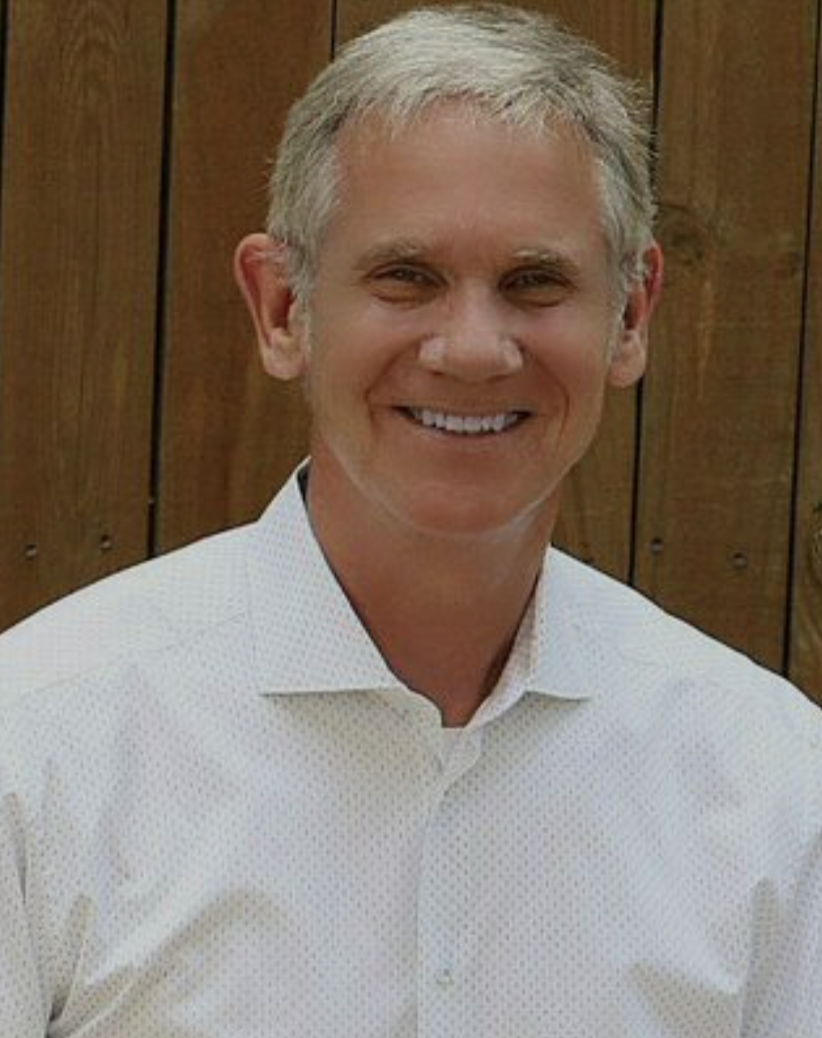
Couples Therapist | Trainer | Founder, Bmore Couples Center
My work is grounded in the Developmental Model of Couples Therapy, which integrates differentiation, attachment theory, and neuroscience. The Developmental Model sees couples not as broken relationships to fix, but as stuck — with the capacity to grow both individually and together. It recognizes that conflict isn’t just about communication skills; it’s about each partner’s internal world and how vulnerabilities rise up under stress. When handled well, conflict becomes the greatest source of connection and being known.
I also draw on Gottman, PACT, Discernment Counseling, and AANE work with neurodivergent couples — but the Developmental Model gives me the framework that makes sense of when and how to use these tools.contact information
Submit payment to complete your registration. Once confirmed, you’ll receive your workshop materials and a personalized workshop agenda.
This course has been approved by CAMFT for 6.5 CE credits for licensed therapists toward license renewal.
Getting Started in Couples Therapy: A Practical Introduction is also approved by the Association of Social Work Boards (ASWB) Approved Continuing Education (ACE) program to be offered by Credits Education as an individual course (ASWB #6403). ACE approval ensures this workshop meets high standards for continuing education.
Yes. You will receive a certificate of completion, and CE credits have been approved for eligible professionals.
This workshop is approved by CAMFT (California Association of Marriage and Family Therapists) for license renewal. You will get 6.5 hours of continuing education for licensed therapists that you can use to renew your license with.
Yes. Getting Started in Couples Therapy: A Practical Introduction: Training for Clinicians New to Couples Work is approved by the Association of Social Work Boards (ASWB) Approved Continuing Education (ACE) program to be offered by Credits Education as an individual course ASWB #6403. Regulatory boards are the final authority on courses accepted for continuing education credit. Social Workers completing this course can receive 6.5 clinical Continuing Education (CE) Credits.
Please note: Individual regulatory boards are the final authority on accepted CE courses.
To qualify for CE credit, you must:
Please note: Partial credit is not available, and failure to sign in/out will result in forfeiture of credit—no exceptions. Certificates will be available after satisfactory course completion at Credits Education.
This course is approved for 6.5 Continuing Education (CE) Credits via Credits Education. Participants must have paid tuition fee, signed in and out, attended the entire workshop, and completed an evaluation to receive a certificate. Failure to sign in or out will result in forfeiture of credit for the entire course. No exceptions will be made. Partial credit is not available. Certificates will be available after satisfactory course completion at Credits Education. The cost for 6.5 Continuing Education (CE) credits will be $25. An email will be sent to all participants who complete the course from Credits Education.